
Strength Training for Beginners in Liverpool: Where to Start and What Actually Works
Starting strength training for the first time can feel overwhelming. There's no shortage of advice online, but most of it is contradictory, overly complicated, or aimed at people who are already experienced.
The truth is that getting started with strength training doesn't need to be complicated. You need a small number of well-chosen exercises, a structured progression, and enough coaching to make sure you're moving correctly.
This guide cuts through the noise and gives you a clear, practical starting point — whether you're completely new to training or returning after a long break.
Why Strength Training Is Worth Prioritising
Strength training has more documented health benefits than almost any other form of exercise. Regular resistance training improves bone density, increases metabolic rate, reduces the risk of injury, and significantly improves body composition.
For beginners in particular, the gains from strength training come quickly. In the first few months, most people see noticeable improvements in strength, energy, and how their body looks and feels — far faster than with cardio-based training alone.
The key is starting correctly so those early gains build on a solid foundation rather than leading to injury or bad habits.
The Movements That Matter Most for Beginners
Effective strength training for beginners doesn't require dozens of exercises. It requires consistent practice of a small number of fundamental movement patterns.
The most important patterns to develop are:
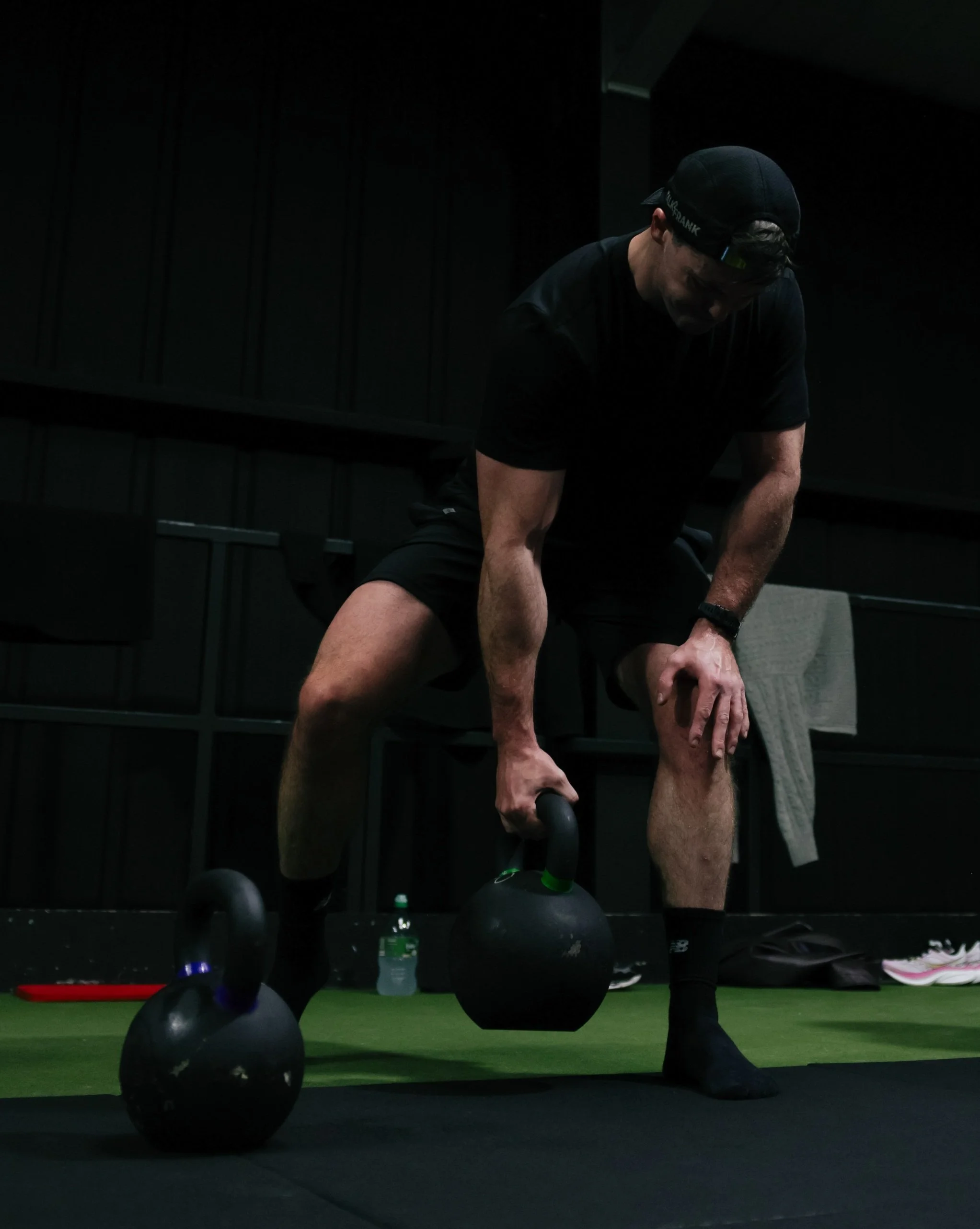
The hinge (deadlift, kettlebell swing) — develops the posterior chain and teaches safe lifting mechanics
The squat (goblet squat, bodyweight squat) — builds lower body strength and mobility
The push (press, push-up) — develops shoulder and chest strength
The pull (row, pull variation) — balances the push and develops back strength
The carry (farmer's carry, suitcase carry) — builds full-body stability and core strength
Master these patterns before adding complexity, and you'll build a strength base that serves you well for years.
How Often Should You Train as a Beginner?
Two to three sessions per week is the ideal frequency for most beginners. This allows enough stimulus for adaptation while leaving adequate time for recovery.
More is not better at this stage. Your body needs time to recover and adapt between sessions — especially in the first few months when you're learning new movement patterns and building connective tissue strength.
Consistency over weeks and months matters far more than intensity in any single session. Showing up reliably three times per week will always outperform training hard sporadically.
The Most Common Beginner Mistakes
Understanding what to avoid is just as important as knowing what to do.
The most common mistakes beginners make with strength training:
Starting too heavy: technique always breaks down before strength limits are reached. Start lighter than feels necessary.
Skipping the warm-up: cold muscles and joints are more vulnerable to injury. Five to ten minutes of movement preparation makes a real difference.
Changing programmes too often: beginners often switch programmes before giving any single approach time to work. Consistency with a simple plan beats constant variety.
Ignoring recovery: sleep, nutrition, and rest days are not optional — they're when adaptation actually happens.
Training without coaching: most technique errors are invisible to the person making them. External feedback from a coach is invaluable in the early stages.
Why Kettlebell Training Works Particularly Well for Beginners
Kettlebell training is an excellent entry point for strength training beginners because the fundamental movements — the swing, goblet squat, and deadlift — teach the most important patterns in a natural, intuitive way.
Unlike barbell training, which requires significant technical setup, kettlebell exercises are accessible from day one with minimal equipment and space requirements.
The off-centre weight distribution also means kettlebells engage stabilising muscles from the very first rep — building functional strength that carries over directly into everyday life.
Getting Coaching Makes the Difference
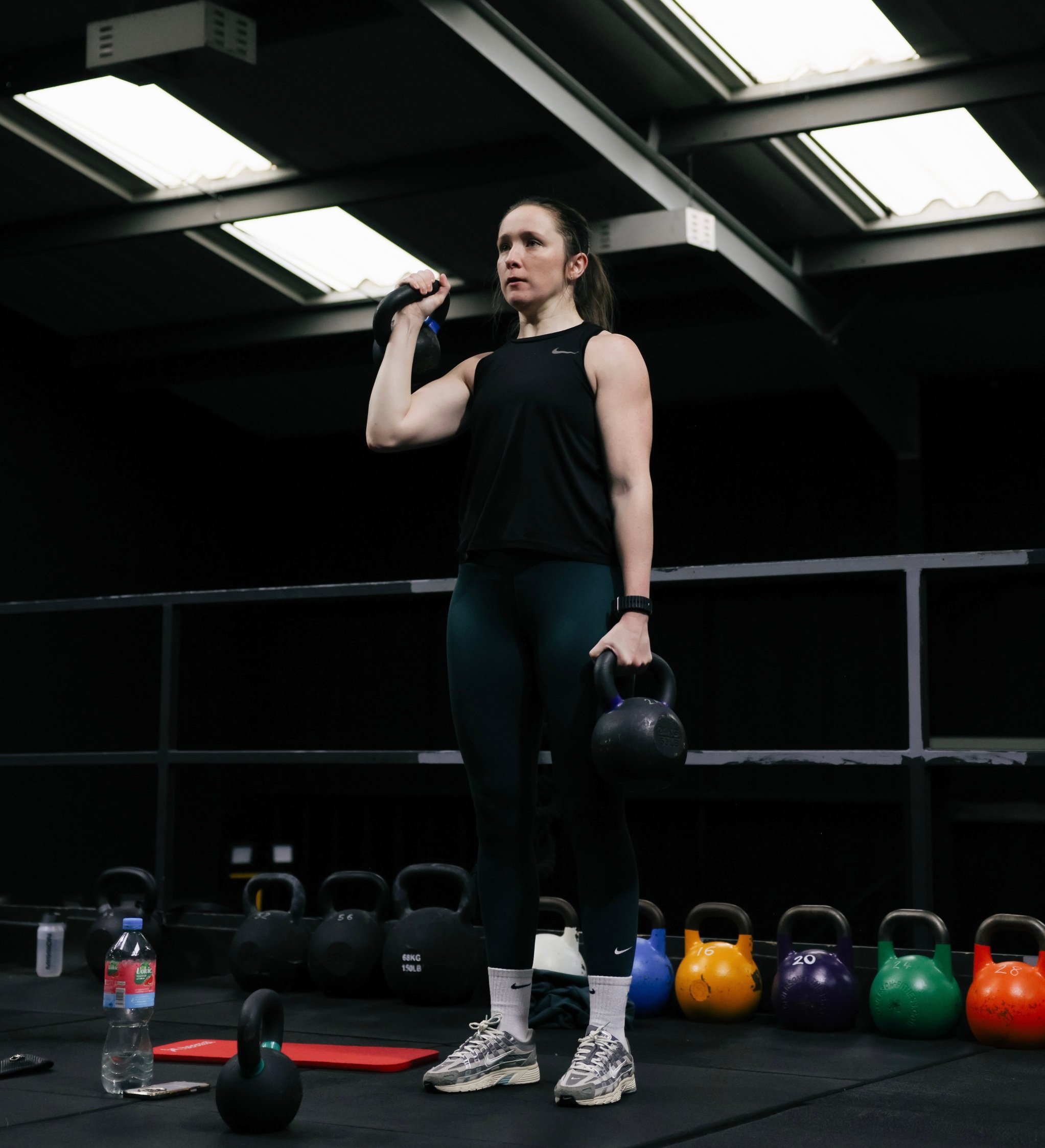
The single most effective thing a beginner can do to accelerate their progress and reduce injury risk is to get proper coaching early.
Working with an experienced coach means you'll learn to move correctly from the start — which is significantly easier than correcting ingrained bad habits later. You'll also have a structured programme that progresses appropriately, and someone to keep you accountable when motivation dips.
For many beginners, the difference between giving up after eight weeks and still training a year later comes down to whether they had good coaching and accountability from the start.
If you're weighing up the value, our honest breakdown of whether hiring a personal trainer in Liverpool is worth it covers the real cost-benefit in detail.
Final Thoughts
Strength training as a beginner is genuinely exciting — the progress comes quickly and the benefits are immediate and wide-ranging.
Start with the fundamentals, train consistently two to three times per week, get coaching on your technique, and give yourself at least three months before reassessing.
The foundation you build in those first few months will shape your training for years to come.
Ready to Get Started?
If you're based in Liverpool and want proper guidance from the start, Adam Davies Coaching offers 1-to-1 personal training and coached group kettlebell classes — both designed to help beginners build strength safely and sustainably.
Book a free consultation with a personal trainer in Liverpool and take the first step today.
Or explore our kettlebell classes in Liverpool — a great entry point for beginners wanting structured group training.