
Personal Training vs Group Training: What’s Best for Your Goals?
If you’re looking to improve your fitness, you’ll often find yourself choosing between personal training and group training.
Both can be effective — but they serve very different purposes.
So which one is right for you?
Let’s break it down honestly, without hype, so you can make the right decision for your goals.
What Is Personal Training?

Personal training is 1-to-1 coaching, fully tailored to you.
A good coach will:
Assess your starting point
Build a programme around your goals
Coach your technique in real time
Adjust training as you progress
Keep you accountable and consistent
It’s highly individual, structured, and adaptable.
If you’re looking for structured support and accountability, 1-to-1 personal training in Liverpool is designed around your body, your schedule, and your lifestyle — not a generic template.
What Is Group Training?
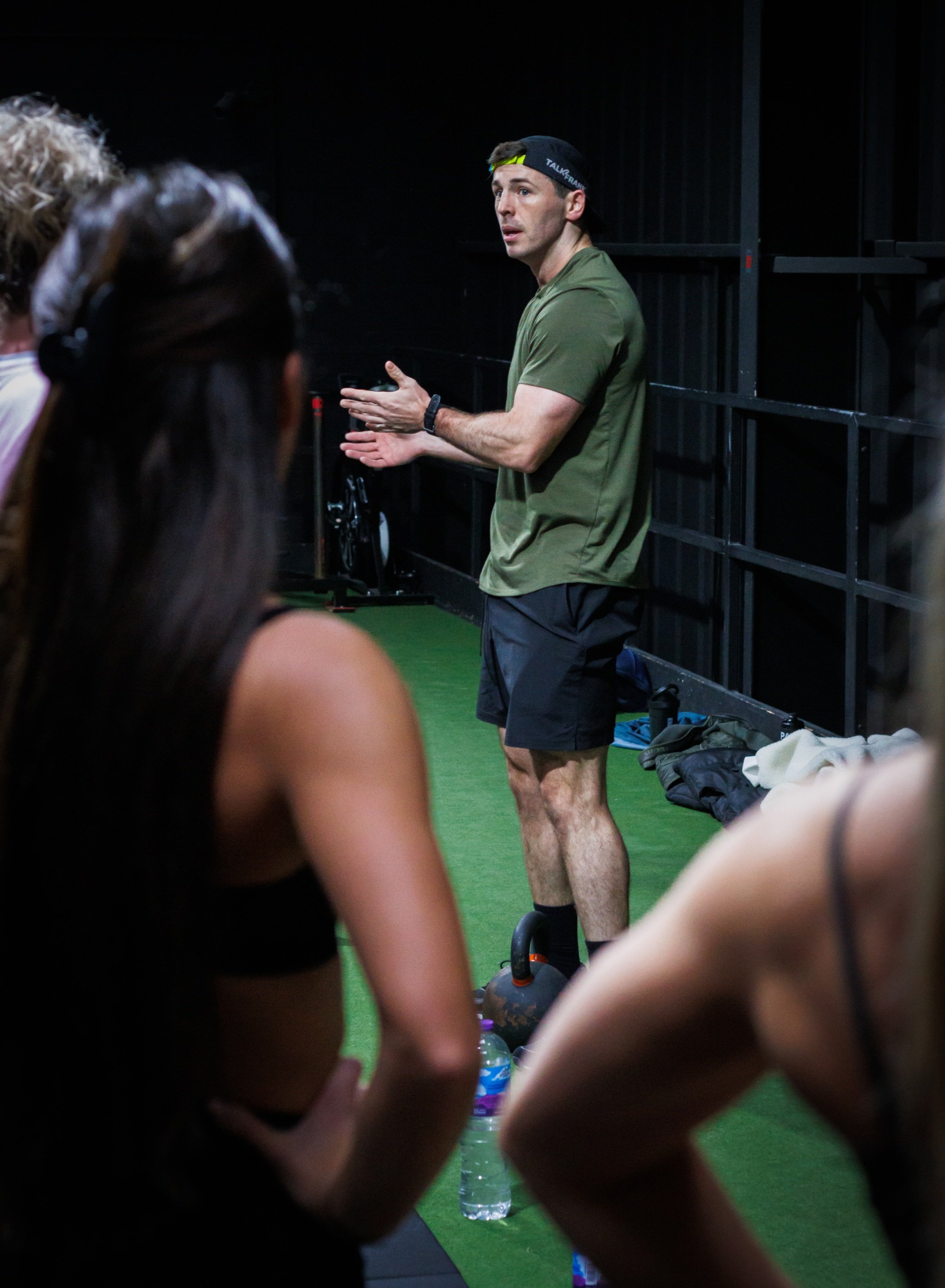
Group training involves exercising with others, usually following a set structure or class format.
Benefits often include:
High energy and motivation
A sense of community
Lower cost per session
Enjoyment and variety
Group sessions work well when you enjoy training with others and thrive in a social environment.
If you’re specifically interested in group-based strength and conditioning, you might want to explore kettlebell classes in Liverpool, which combine structured programming with a motivating group atmosphere.
If you're new to this style of training, this beginner’s guide to kettlebell training in Liverpool explains what to expect and how to get started safely.
However, group training is usually less personalized, as one coach is supporting multiple people at once.
Key Differences Between Personal Training and Group Training
Here’s how they compare in real terms:
🔹 Personal Training
Fully personalized programming
Individual coaching and feedback
Progress tailored to you
Ideal for beginners or specific goals
🔹 Group Training
Shared structure
Limited individual feedback
Great atmosphere
Best for general fitness and enjoyment
Neither is “better” in general — it depends on what you need.
Which Is Better for Fat Loss?
Both can work, but the approach matters more than intensity.
Personal training is often better for fat loss because:
Sessions are tailored to your ability
Progression is structured
Recovery is managed properly
Lifestyle habits are considered
Group training can support fat loss too, especially if it helps you stay consistent — but it’s usually less specific.
Which Is Better for Strength?

If strength is your main goal, personal training usually wins.
Why?
Technique matters
Progressive loading matters
Individual differences matter
Strength gains are much easier to manage and measure in a 1-to-1 setting.
Group sessions can still help build strength, but often in a more general way.
Which Is Better for Motivation and Consistency?
This is where it becomes personal.
Some people stay consistent because:
They enjoy the social aspect of group training
Others stay consistent because:
They don’t want to let their coach down
There’s no right answer — the best option is the one you’ll stick to.
If structure and clear progression keep you on track, understanding how often to train with a personal trainer can help you plan a realistic, sustainable routine.
Can You Combine Personal Training and Group Training?
Absolutely — and for many people, this is the best solution.
A common approach is:
1–2 personal training sessions per week for structure and progression
Group sessions for conditioning, enjoyment, and variety
This gives you:
Individual guidance
Community support
A balanced, sustainable routine
Many clients find this combination delivers the best long-term results.
So, Which One Should You Choose?
Here’s a simple guide:
Choose personal training if you:
Want specific results
Need guidance and confidence
Prefer structure and accountability
Choose group training if you:
Enjoy a social environment
Want variety
Are comfortable following a general programme
And remember — your needs may change over time.
Final Thoughts
Fitness doesn’t have to be an either-or decision.
The best training approach is one that:
Fits your goals
Fits your lifestyle
Keeps you consistent
If you’re unsure which route to take, speaking with a personal trainer in Liverpool can help you decide what’s most appropriate — and whether a combination approach makes sense.
Not Sure? Try Both.
Can’t decide?
Why not try both — Adam Davies Coaching offers kettlebell classes in Liverpool alongside 1-to-1 personal training sessions.
Get in touch to find out what suits you best and build a plan that works for your goals, schedule, and experience level.